
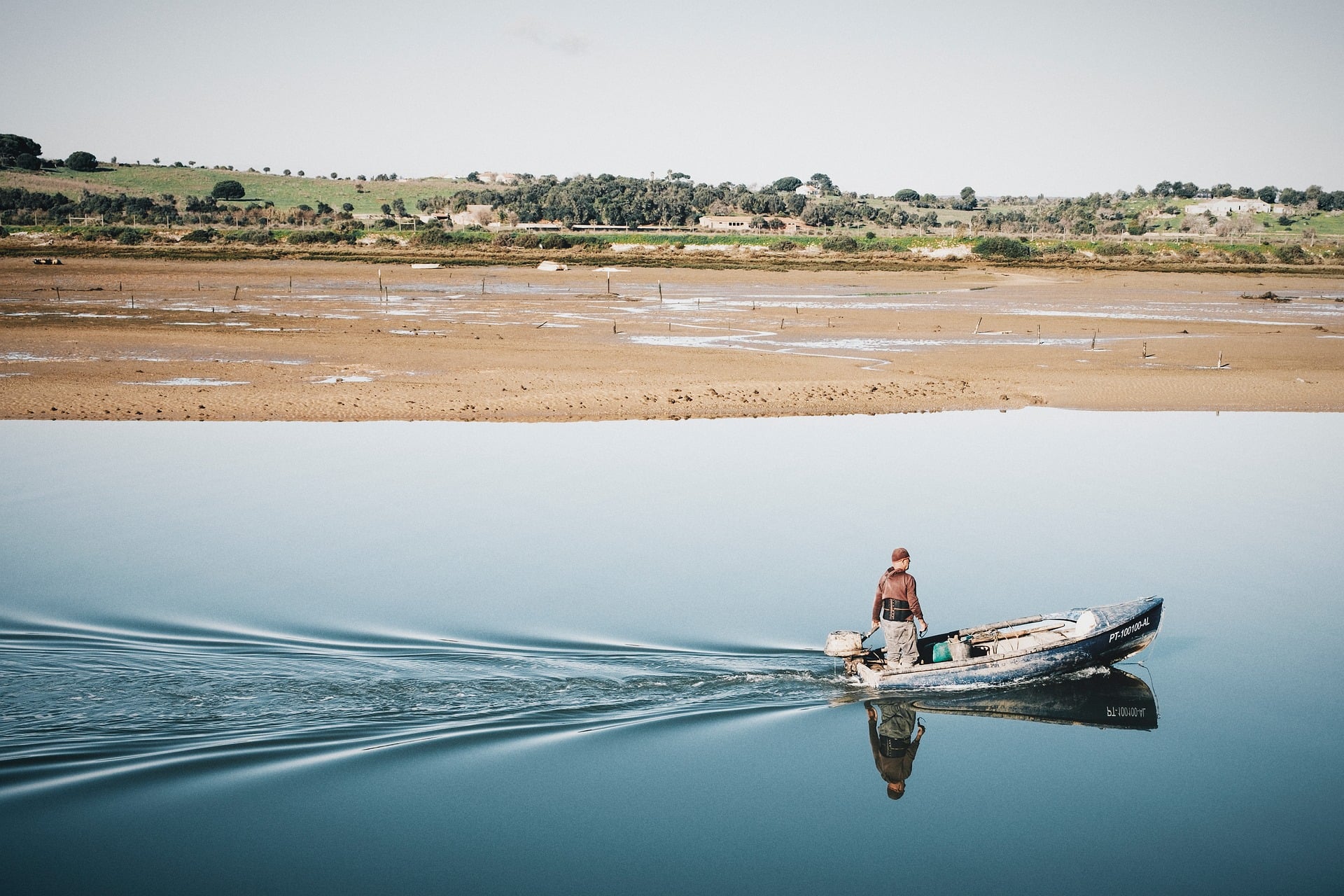
Low water is beyond a cruise line’s control. How it treats its passengers when their vacation is fundamentally changed is another matter. As a travel advisor, I understand that things don’t always go according to plan. No one expects a cruise line to control Mother Nature, but I do believe we should expect cruise lines to take responsibility for how they treat passengers when things go wrong. This summer, I had two experiences with Viking River Cruises that left me questioning whether their approach puts the customer first.
Viking promotes its large fleet as an advantage when water levels disrupt navigation. With so many ships operating on Europe’s rivers, it can often arrange ship swaps to bypass impassable stretches and keep itineraries moving. That flexibility can be a genuine benefit when a relatively small section of a river is affected, but what happens when the disruption is so extensive that the vacation bears little resemblance to what guests booked?
When a future travel credit is not compensation.
This summer, some Rhine passengers spent more time traveling by bus and canal than actually cruising the Rhine. The iconic river scenery and the experience of sailing through Europe’s historic towns and castles were substantially diminished. A bus and canal tour can be a wonderful way to explore Europe, but it’s not what someone who spends thousands of dollars booking a Rhine River cruise wants.
One of these guests experienced a rapid health decline this year and was barely able to go on this trip. Traveling again with Viking (or any other tour operator) in the future is no longer a realistic expectation.
Viking initially offered the couple a future travel credit worth 60%. When I advocated for a partial refund because they could not use the credit, Viking increased the offer to 70%. I appreciate that the offer was increased, but it doesn’t solve the underlying problem. What practical value does a future travel credit have for someone who cannot travel again? Even a 100% future travel credit would not be equivalent to a refund for these clients.
I understand that cruise lines have policies, contracts, and costs to consider. I also recognize that low water is beyond their control, but customer service requires more than applying the same solution to every situation. It requires recognizing when that solution doesn’t work. A credit that a customer cannot use may look like compensation on paper, but it doesn’t make that customer whole.
These clients paid for a vacation experience they did not receive as expected. Health circumstances now make another trip impractical or impossible. I believe this is precisely when a company should consider the individual situation and show some flexibility. I wish Viking would reconsider.
When Customers Pay the Price for Timing.
The Rhine example wasn’t an isolated concern. I also had a family scheduled to cruise the Danube who decided to cancel after learning how much of their trip would involve bus travel.
Their almost 90-year-old mother with mobility concerns and inability to sit for extended amounts of time was traveling with them. While her adult children explored ports of call, she had planned to remain comfortably aboard the ship sipping wine and stretching her legs as needed. With the itinerary changes and nearly daily hours of bus travel, that plan was no longer going to work as expected, so they made the difficult decision to cancel. They received a future travel credit less the cost of travel insurance (nearly $1,000 per person).
About a week after they canceled, Viking began allowing guests to cancel and receive a full future travel credit, including the cost of travel insurance. My clients had made their decision based on the information available to them at the time. Because they canceled before Viking introduced that option, their future travel credit did not include the cost of travel insurance.
When I advocated that the new policy should be retroactivated to my clients, I was told by Viking that there was nothing they could do. I understand that policies change as circumstances evolve, but from a customer’s perspective, it’s hard to understand why the timing of a cancellation should make such a difference when the underlying problem was the same. Had they waited another week, the outcome would have been very different.
Sometimes canceling is the right thing to do.
Other popular river cruise lines like Avalon Waterways, Uniworld and Tauck took a different approach this season. Their options to guests ranged from 100% cash refunds to future travel credits, often giving guests the power to choose for themselves their preference of continuing with a modified cruise or cancelling.
Canceling a cruise is a difficult decision with financial and logistical consequences, but sometimes the honest answer is that the experience originally promised simply cannot be delivered. I’m not suggesting Viking should cancel every cruise affected by low water. Its fleet and ship-swap capabilities can be valuable advantages, but keeping a cruise operating shouldn’t automatically be considered a better outcome if the itinerary has changed beyond recognition.
When a river cruise becomes predominantly a land journey, passengers deserve meaningful choices. Depending on the circumstances, those might include proceeding with the revised itinerary, rescheduling, or receiving a refund.
Accountability matters.
Travel advisors understand that not every disappointment warrants a refund. Sometimes a cruise line does everything reasonably possible under difficult circumstances, and an itinerary change is simply an unfortunate part of travel, but when the central experience a client purchased has been substantially altered, and the proposed remedy doesn’t address that loss, it’s fair to ask for more.
No travel advisor can guarantee river conditions. What we can do is help you understand the risks and advocate for you when the unexpected happens. I recognize Viking’s operational strengths, and I hope the company will take a closer look at how it handles major disruptions and the passengers left disappointed by them. The measure of a travel company isn’t just the beauty of its ships, the destinations it visits, or the size of its fleet. It’s what the company does when the vacation it promised is no longer the vacation it can deliver. Sometimes doing the right thing means not sticking to the status quo company standard.
Leave a Reply